
2026-09-296 min read
Utilities are the most common source of disputes between landlords and tenants – especially in winter, when the heating bill can be several times higher than in summer. The good news: most disputes can be avoided with a clear agreement and monthly meter readings.
What the law says (§ 292)
Under the Law of Obligations Act (VÕS), the tenant pays only those utility costs that are related to the use of the premises – electricity, water and sewage, heating, gas, household waste and the internet – and only if this has been agreed in the contract. Costs that do not depend on the tenant are borne by default by the landlord: the repair fund, land tax, building insurance and KÜ loan payments remain with the owner.
The apartment association and management costs
Every apartment building in Estonia has an apartment association (korteriühistu, KÜ). The KÜ bills the owner monthly management costs – this includes the administration and cleaning of the building and, in most buildings, also heat energy and water and sewage service fees. The tenant is not a member of the KÜ: towards the KÜ the owner is always liable, even if you pass the bill on to the tenant. If the tenant does not pay the KÜ bill, the KÜ claims it from you, not from the tenant. Every KÜ bill is a bit different – besides maintenance it may include elevator maintenance, waste collection and upkeep of common areas. Go through your KÜ bill line by line and note what is an owner cost and what is consumption-based – this split determines what can be passed on to the tenant.
Heating and water bills usually come via the KÜ: in Tallinn heat is sold by Utilitas, in Tartu and Pärnu by Gren; water in Tallinn is sold by Tallinna Vesi and in Tartu by Tartu Veevärk. The flat's readings must be submitted to the KÜ every month – almost all associations now accept readings through e-channels too.
Electricity: the seller and the network fee
Electricity is usually paid on one bill with two parts: the seller's price (Enefit, Alexela, Elektrum, 220 Energia, Elenger and others) and the network fee – in most of Estonia Elektrilevi, in some regions Imatra Elekter or VKG. If you want the tenant to pay the provider directly, have them conclude their own contract with the seller and register the network contract in their own name.
How to pass on costs fairly
A common and easily justified split:
- The tenant pays everything that depends on their consumption: heating, water, electricity, gas, waste, the internet.
- The landlord pays everything tied to ownership: repair fund, land tax, building insurance, KÜ loan payments.
- If you pay the bills yourself and pass them on to the tenant, show every line every month clearly, together with a copy of the original bill. The phrase "utilities paid by the tenant" is not enough – list every cost in the agreement separately and record who pays it.
The heating bill differs strongly between summer and winter, so monthly accounting based on actual consumption is fairer than a fixed amount. If you do agree on fixed amounts, write into the agreement when and how the amounts are reviewed.
Why readings matter
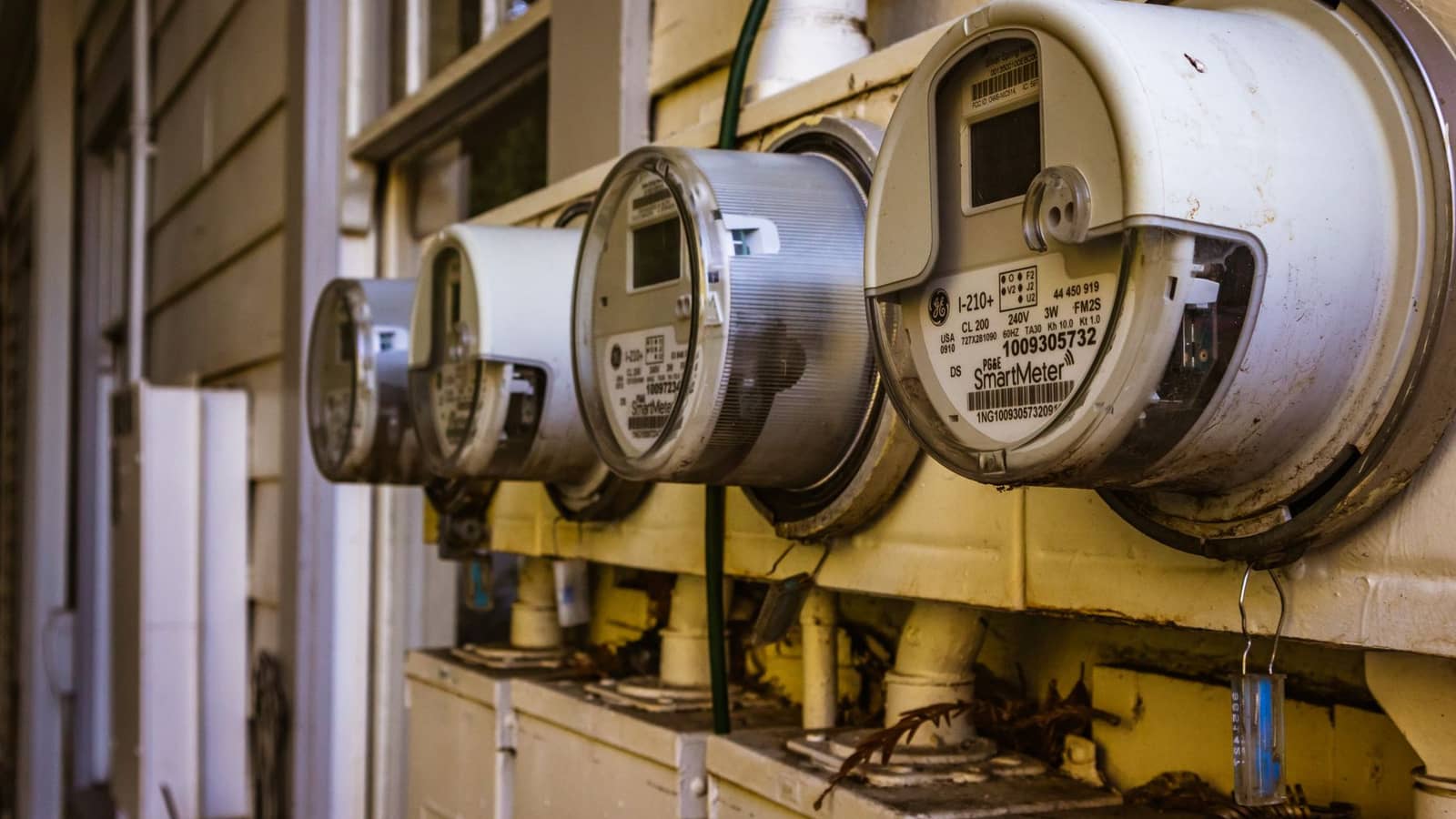
Monthly utility accounting is based on meter readings: electricity and cold and hot water readings are taken every month and submitted to the KÜ. It pays to record every reading together with a photo – especially at move-in and move-out, when photos protect both parties (see the guide "Handover act").
If your KÜ bill lists the consumption-based part and the owner costs separately, pass on to the tenant only the consumption-based part – the owner costs stay with you. The same routine applies every month, so the tenant knows from the agreement already what appears on their bill and what does not.
This article is general information, not legal or tax advice. Laws and tariffs change – check with the tax authority or a lawyer before acting.