2026-09-295 min read

The handover act (üleandmise-vastuvõtmise akt) is not required by law, but it becomes the landlord's most important piece of evidence. The act records the condition of the premises, meter readings, and the condition of keys and furnishings at move-in – and the same is done at move-out. Without an act, deductions from the deposit are hard to justify. Completing the act takes twenty minutes or so but saves hours of explaining later – that is why we recommend it for every move.
What to record in the act
- Condition of the premises with photos. Every room, floors, walls, sanitary ware and appliances. Take the photos in daylight and keep copies.
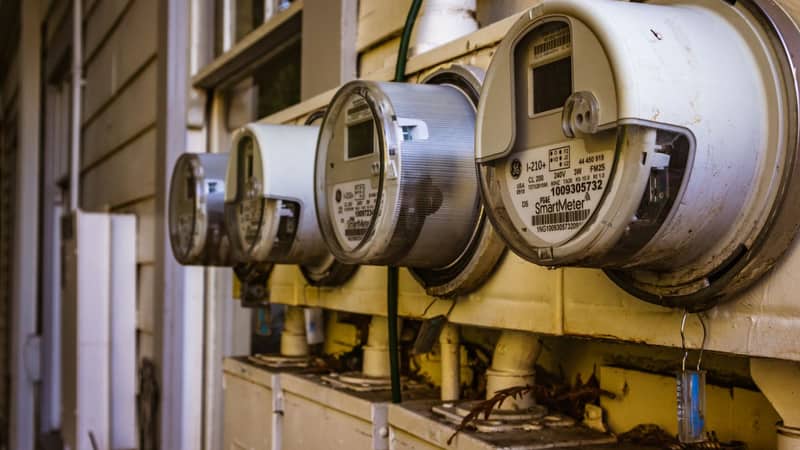
- Meter readings. Readings of all meters (electricity, cold water, hot water, gas) at the moment of move-in. These are the basis for later accounting of who pays how much for consumption.
- Keys. How many sets and which – door, mailbox, basement, parking space and other keys.
- Inventory. Furniture and appliances with their condition, especially if the dwelling is rented furnished.
- Signatures. Both parties' signatures. An e-signature (ID card, Mobile-ID, Smart-ID) has the same legal force.
- Move-in date. The date of the act is the moment from which rent and utilities are charged to the tenant.
For photos a simple rule applies: one photo more is always better than one less. Photos should be clear enough to later see the condition of walls, floors and appliances. If something is already defective at move-in, note it in the act – in later disputes a clear record is decisive.
E-signature
The act can be signed digitally – with an ID card, Mobile-ID or Smart-ID. A digitally signed act has the same legal force as one signed on paper, and both parties keep a copy. So you do not have to meet physically on move-in day if the act is digitally ready for signing. This is convenient especially when the property is far from where you live – the whole documentation can be completed the same day, without anyone having to travel.
The same procedure at move-out
At move-out make a new act: take photos, record the meter readings again and compare them with the move-in day readings. It is between these two acts that deductions from the deposit are justified – something is broken or missing, or the readings do not match expectations. If the readings are documented with photos, the final utility accounting is also quick and indisputable. If the tenant does not agree with the act's content, still make the act for yourself: write down the condition, the readings and take photos. The same applies to keys – record when and how many key sets you received back.
Practical tips
- Write notes and photo descriptions right away with the act; later the details are hard to recall.
- Send the act to the tenant immediately after signing and keep your own copy.
- Use the same form at move-in and move-out – the two acts are then comparable.
- Keep the acts, photos and readings in one place together with the agreement. If you are later asked why something was deducted from the deposit, the whole document chain is at hand.
This article is general information, not legal or tax advice. Laws and tariffs change – check with the tax authority or a lawyer before acting.